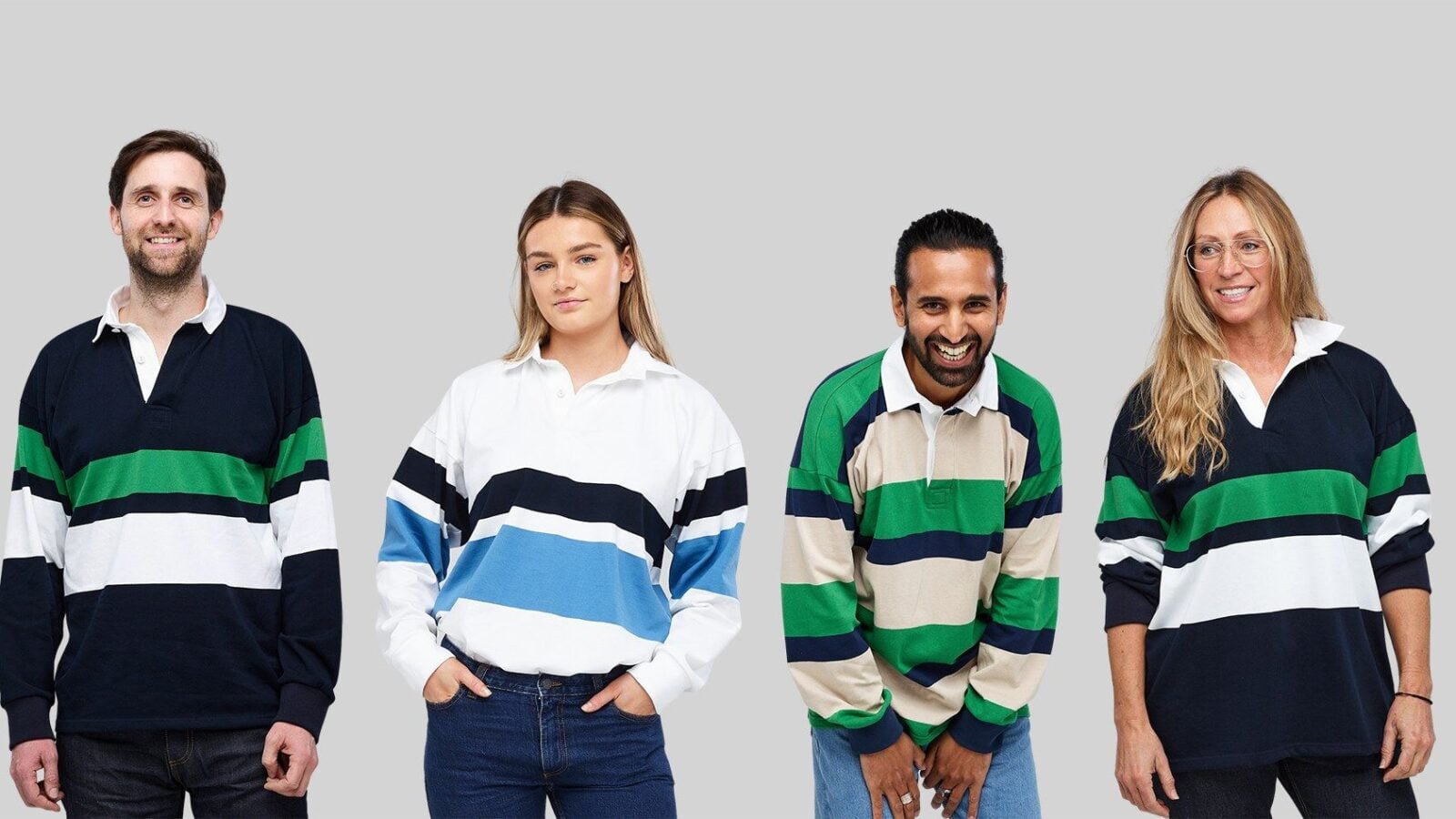
Fashion often celebrates the newest thing in the room, even when last month’s “essential” is still sitting unworn in the wardrobe. Community Clothing takes a deliberately different route. The brand creates seasonless everyday clothing in UK factories, supporting skilled employment while focusing on natural materials, lasting construction, and straightforward design. Its collections for women, men, and children cover everything from jeans and knitwear to underwear, trainers, dresses, and outerwear. These are not garments built around a five-minute trend; they are familiar, useful pieces intended to earn their place through repeated wear—and perhaps become better acquainted with your washing line than the back of your cupboard.
British Manufacturing at the Heart of the Brand
Community Clothing states that every garment it sells is made in the UK. Production is distributed across specialist factories and textile regions, allowing particular products to be made by people with generations of relevant knowledge.
Jeans and cotton textiles connect with Lancashire’s manufacturing tradition, while knitwear is produced in Scotland. Socks come from factories in the Midlands and East Sussex, and the brand’s underwear project supports specialist production in South Wales.
This regional approach keeps manufacturing skills active and creates work in communities shaped by Britain’s textile history. It also gives customers the unusual ability to shop by production region, adding a real location and group of makers to each purchase.
The brand reports the skilled working hours generated through its operations and has set a wider goal of supporting thousands of UK textile jobs. A sweatshirt, in this context, becomes more than a sweatshirt—it becomes several hours of somebody being exceptionally good at making one.

Clothes That Ignore the Trend Treadmill
Community Clothing builds its range around seasonless basics rather than constant weekly releases. Designs are developed, tested, and refined so the same dependable styles can return without being reinvented merely because a new month has appeared on the calendar.
This approach creates a wardrobe of recognisable staples: sturdy jeans, cotton T-shirts, sweatshirts, wool knitwear, simple shirts, practical trousers, and classic jackets. Colours are generally versatile, fits are wearable, and unnecessary details are kept to a minimum.
Avoiding rapid seasonal replacement can also reduce leftover materials and unsold stock. Customers gain the reassurance that a favourite basic may still exist when it eventually needs replacing, rather than discovering it has been discontinued in favour of trousers with an inexplicable number of zips.
Everyday Products Made Across the UK
The collection offers practical clothing and accessories for different ages and occasions:
- Jeans and trousers: Durable everyday styles constructed with details intended to support regular wear.
- T-shirts and sweatshirts: Straightforward wardrobe foundations that work alone or as reliable layers.
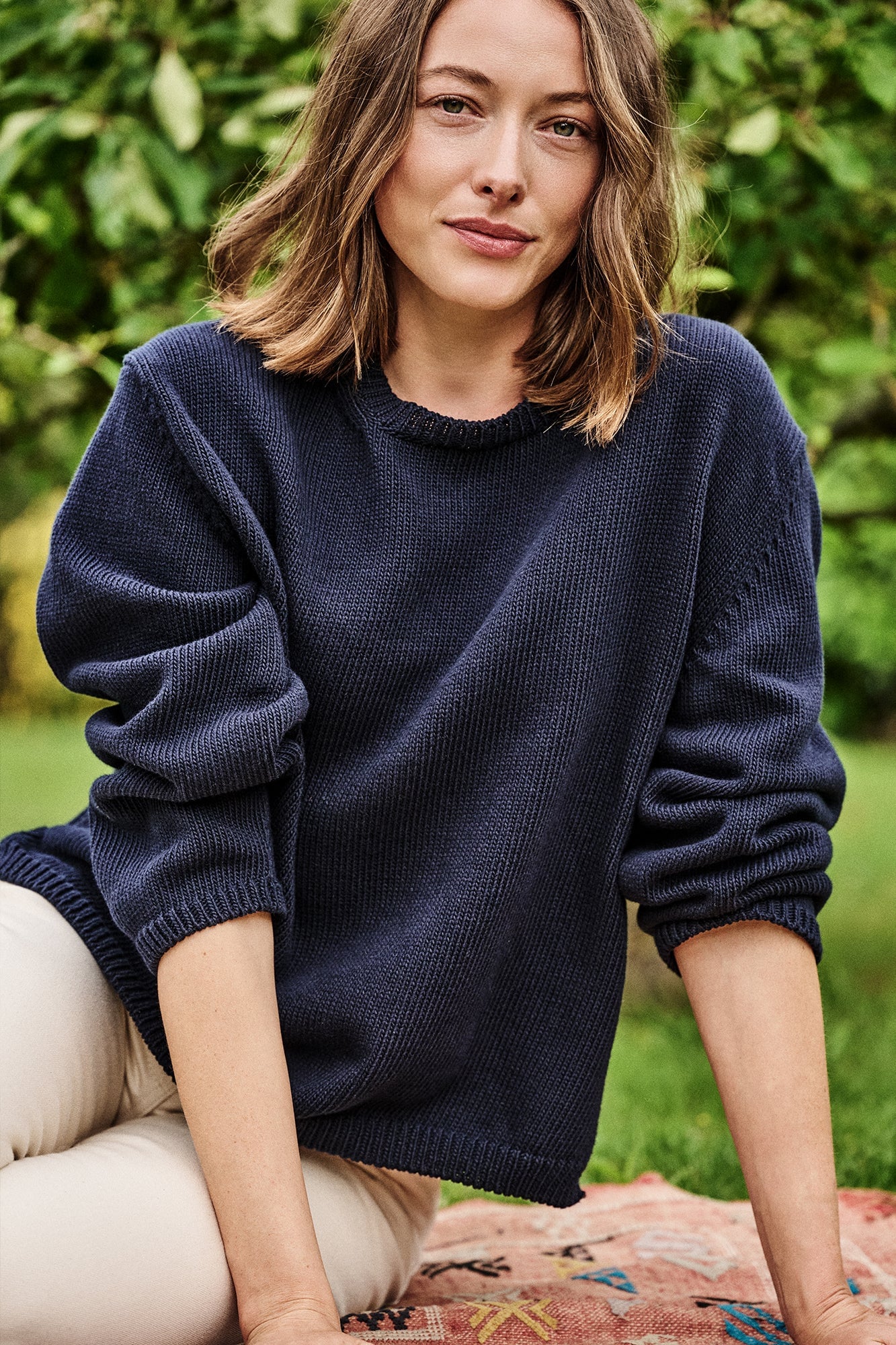
- Knitwear: Wool and cotton jumpers, cardigans, hats, and scarves made by skilled UK manufacturers.
- Coats and jackets: Timeless outerwear, including chore jackets, peacoats, and weather-ready layers.
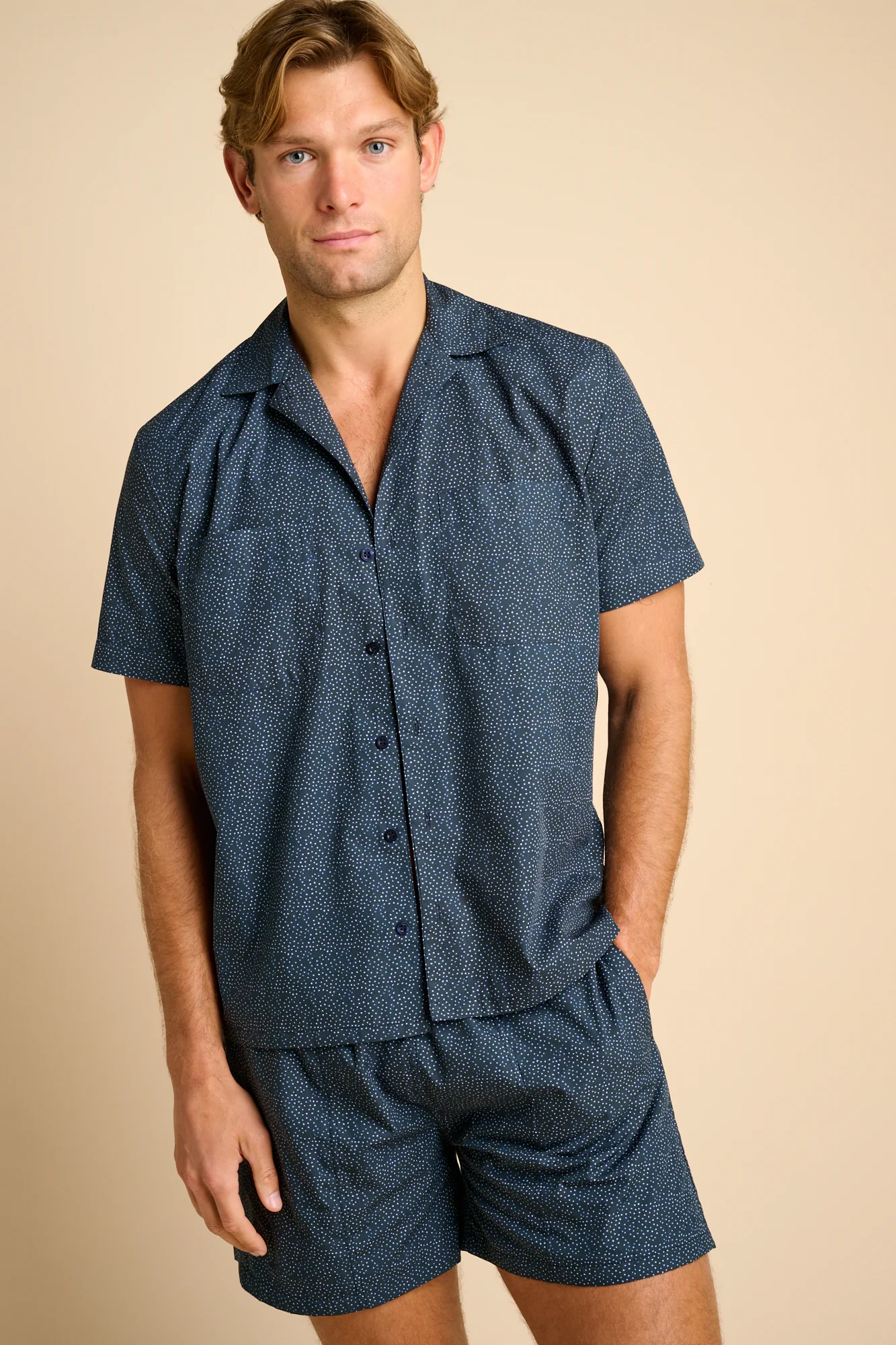
- Shirts, dresses, and skirts: Versatile designs in materials such as cotton, linen, denim, and hemp blends.
- Socks and underwear: Everyday essentials produced by specialist British factories, including projects designed to rebuild local manufacturing capacity.
- Trainers and sportswear: UK-made footwear and active designs, with plastic-free options available in selected products.
- Accessories and home goods: Bags, aprons, blankets, knitted accessories, notebooks, and fabric odds and ends.
Natural Materials Chosen for Long Wear
The brand prioritises natural fibres in the main fabrics of its clothing, particularly cotton, wool, and linen. These materials are selected for comfort, durability, repair potential, and the way they can improve with age when properly maintained.
Denim can soften and develop an individual appearance through wear, while quality wool provides warmth without needing to follow a seasonal fashion cycle. Linen and cotton-hemp blends offer breathable choices for warmer conditions and relaxed everyday dressing.
Community Clothing says it maintains long-term relationships throughout its supply chain, including with spinners, weavers, knitters, garment factories, and raw-material sources. Using consistent fibres and manufacturing partners helps the brand reproduce familiar products to a dependable standard.
Material composition still differs between items, particularly in components such as elastication, soles, linings, and trims. Customers seeking entirely plastic-free clothing should check the individual specification or explore the brand’s dedicated plastic-free collections.
How a Simpler Model Aims to Control Prices
British manufacturing is commonly associated with premium prices, but Community Clothing has designed its business model to remove several conventional fashion costs. It sells directly to customers, keeps marketing comparatively simple, and concentrates on a stable range of products.
The brand also works with long-term production partners and avoids repeatedly spending money on large seasonal collections. It says its typical markup is substantially lower than the average used by many conventional or luxury clothing businesses.
That does not mean every garment is inexpensive compared with fast fashion. Instead, the value proposition centres on UK manufacturing, natural materials, skilled construction, and a longer intended lifespan.
The useful question is not simply, “What does this cost today?” It is also, “How often will I wear it?” A well-made jumper used for years may provide better value than several cheaper alternatives that lose their shape before anyone remembers where the receipt went.
Buy Less Drama and More Dependable Clothing
Getting the most from Community Clothing begins with selecting the right size and reading the product description carefully. Fits, fabric weights, washing requirements, and material blends vary, so measurements are more dependable than choosing automatically from habit.
Proper maintenance supports the brand’s long-life philosophy. Washing at lower temperatures when appropriate, airing wool between wears, treating stains early, repairing small faults, and following the garment-specific care guide can extend useful life considerably.
The collection is especially suited to shoppers who appreciate knowing where their clothes were made. Customers can explore products from Scotland, Lancashire, the Midlands, northern England, southern England, and other UK manufacturing areas.
Community Clothing proves that an ordinary wardrobe does not need an ordinary story. A pair of jeans can preserve specialist sewing skills, a wool jumper can support Scottish knitwear production, and a humble sock can help keep a regional factory busy. Choose the pieces you will genuinely wear, care for them properly, and let them become the quiet heroes of your wardrobe. When clothing is built to serve people, places, and everyday life, getting dressed feels like a surprisingly meaningful decision.
